Cleaning and Sanitizing 101One of the most important aspects of any fermentation is keeping your equipment sanitary. This article outlines the basic steps and products for keeping it clean.
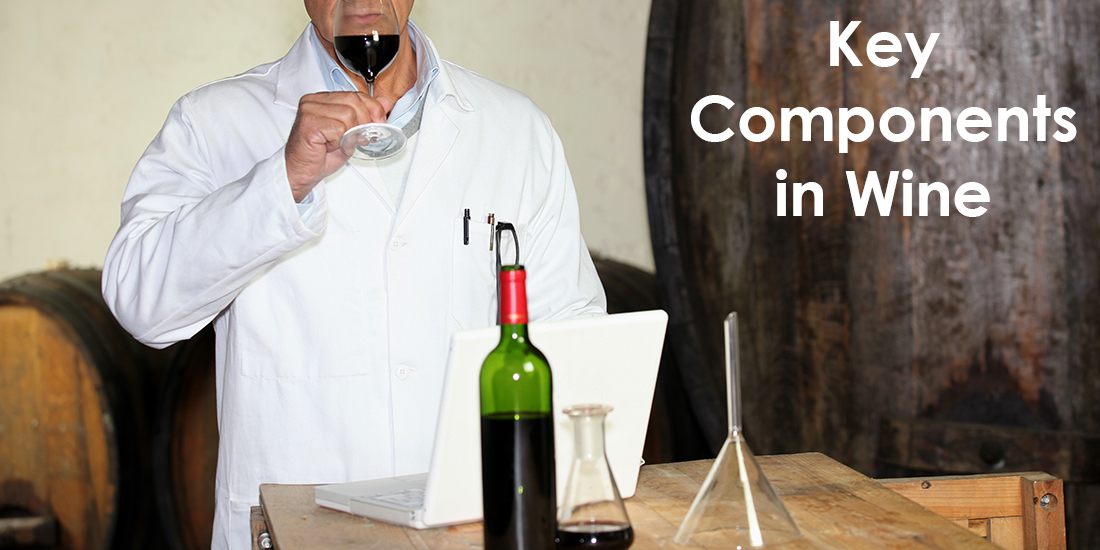
Key Components in WineThere are three main elements that are important for making quality wine---sugar, acidity, and tannins.
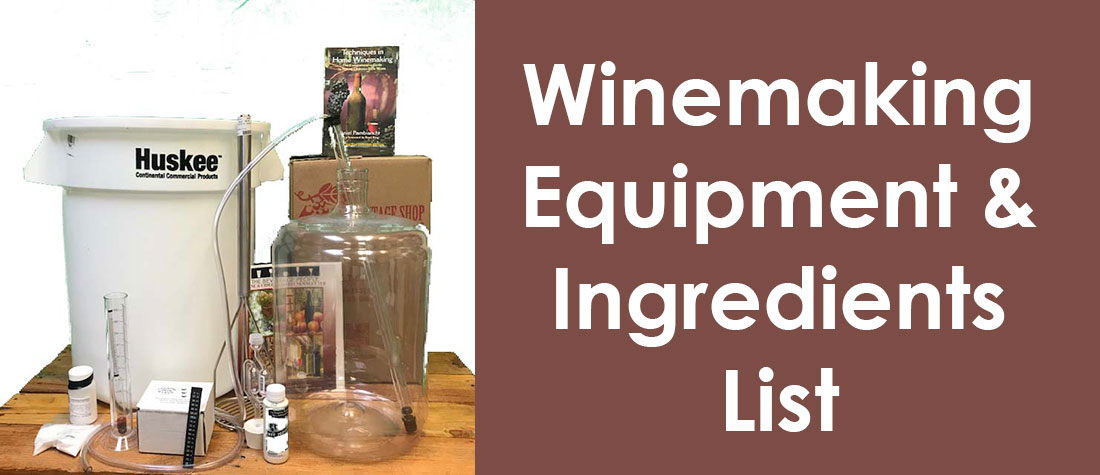
Winemaking Equipment ListFor most beginners, the hardest thing about making wine is simply figuring out, in advance, what equipment is going to be needed. This list should set most of these fears to rest.
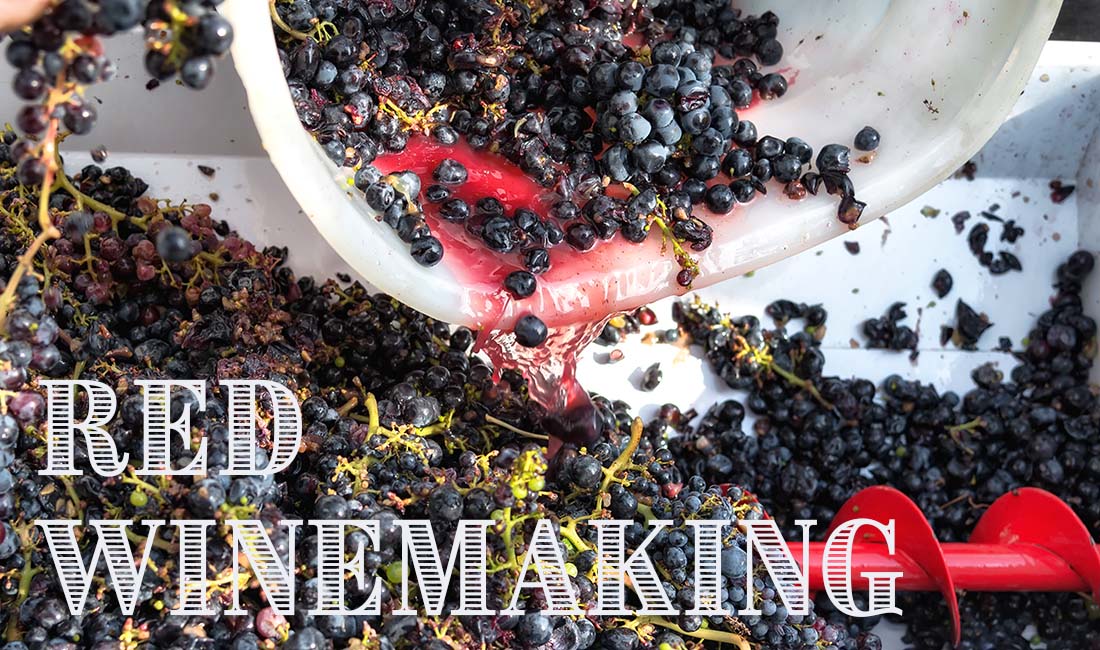
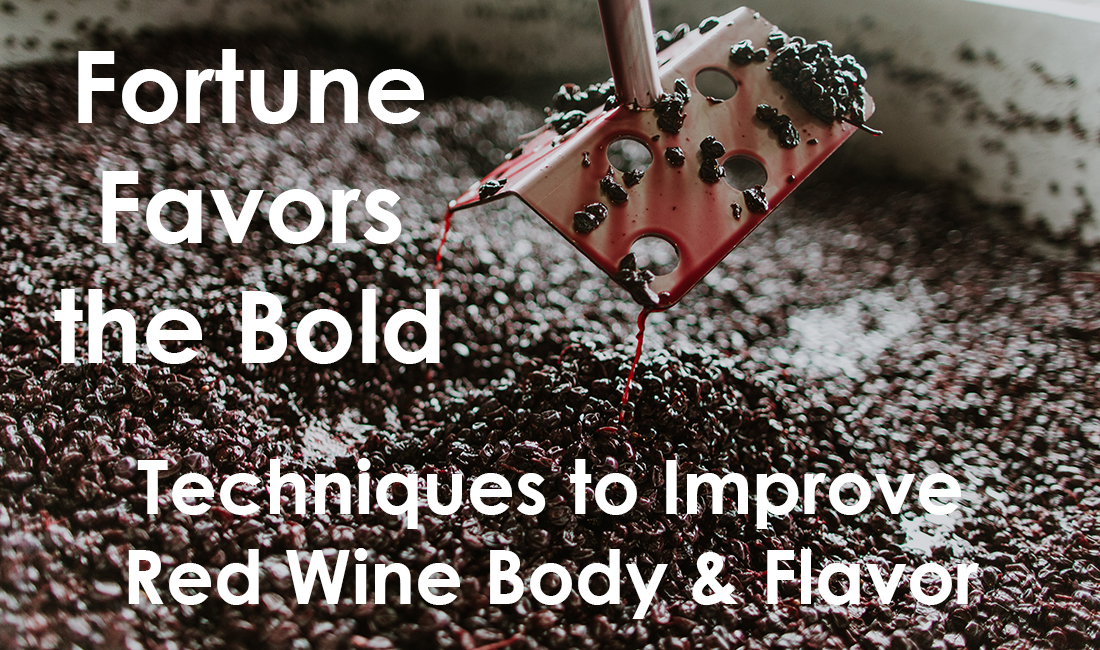
Red Winemaking1. Crush (break the skins) and de-stem the grapes. For most grape varieties, about 90% of the larger stems should be removed.
Improve Red Wine Body & FlavorLearn about techniques to extract and polymerize the best tannins in your red wine, producing soft and lush mouthfeel.
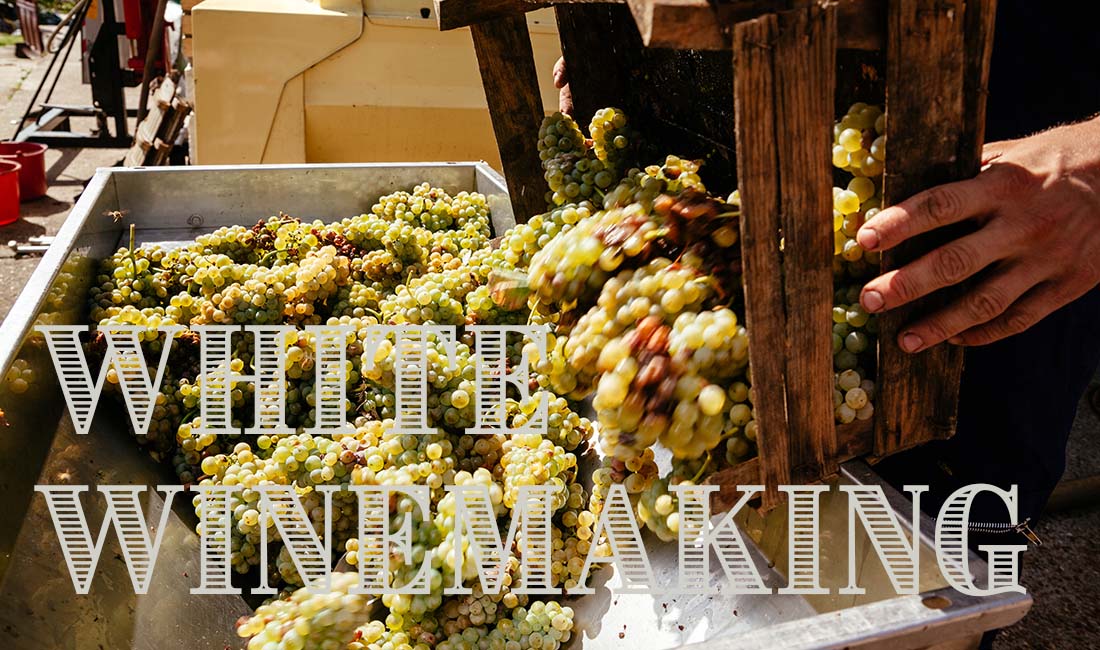
White Winemaking1. Crush the grapes to break the skins. It is not necessary to de-stem them. Keep the grapes as cool as possible.
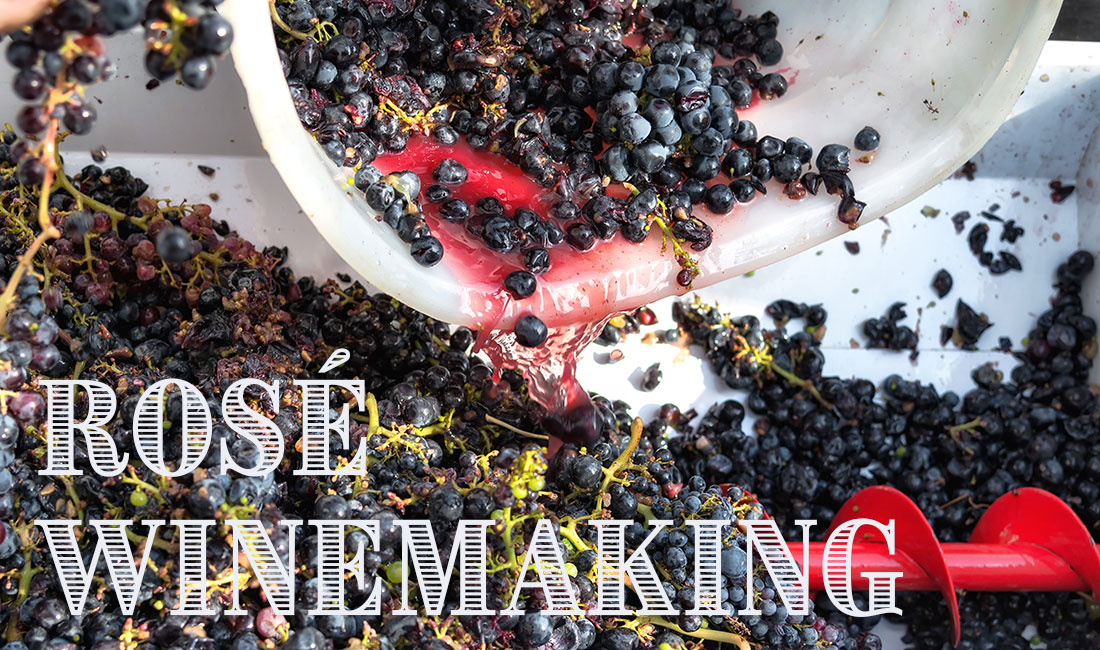
Rosé Winemaking1. Crush the grapes to break the skins. It is not necessary to de-stem them. Keep the grapes as cool as possible.
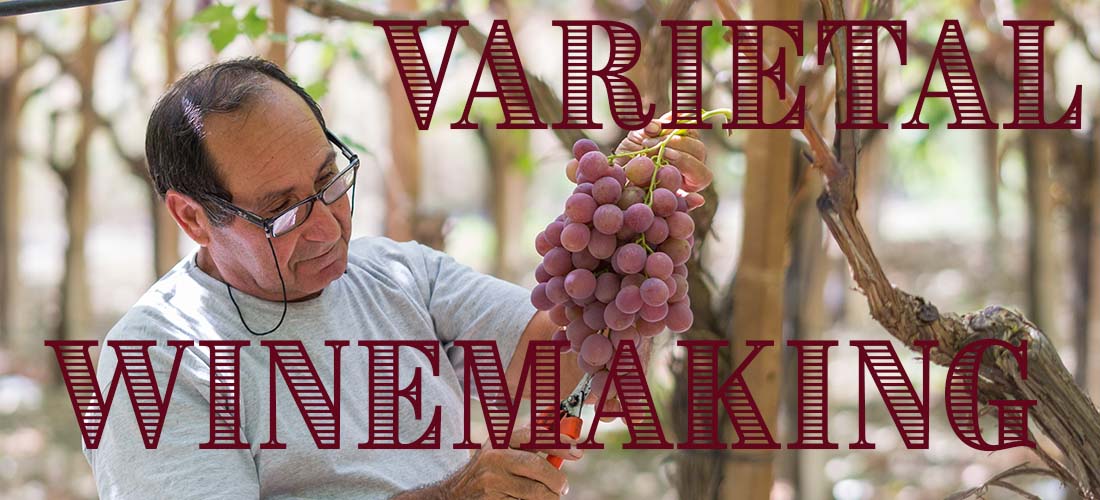
Varietal Specific ProceduresThis is a companion piece to the basic winemaking guidelines found in our newsletters. Here are modifications and extensions to the procedures you might want to employ to get the very best out of a particular wine variety.
Yeast Recommendations GuideA comprehensive guide that covers the most important specifications of the yeast strains we stock.
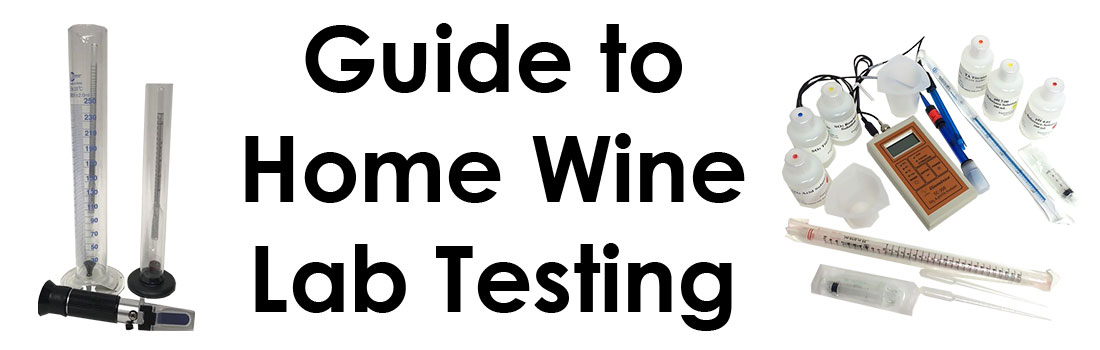
Home Wine Lab TestingA Discussion of Options for Testing Sugar, Acid, pH, Juice Nutrition, ML and Free SO2.
Harvest and Wine MathUnits of measurement, estimating the grape crop, bucket needs for harvest, fermentation, bulk storage, and wine press needs. Plus, equations for adjusting sugar and acidity levels.
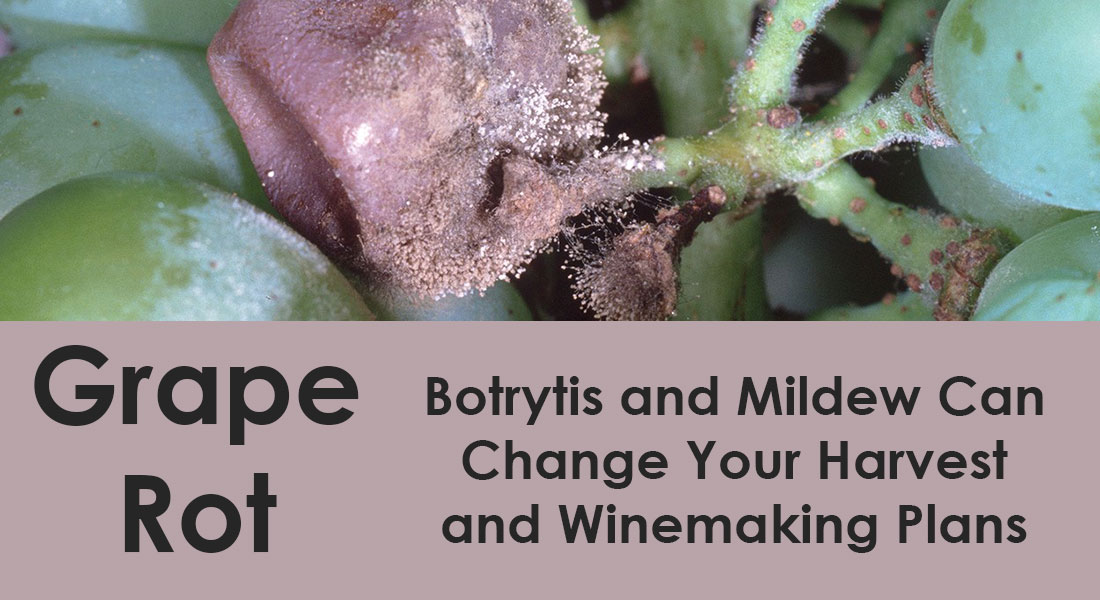
Grape Rot Can Change Your PlansLet’s consider some common rules of thumb that guide our grape rot management practices, and then delve into the details of grape rot.
Use and Test Free SO2 in WineThis article has been our go-to reference at The Beverage People for understanding and making additions of SO2 in wine or cider. It will help you understand how to use campden tablets or other sources of Free SO2, and know how much potassium metabisulfite per gallon of wine is needed.
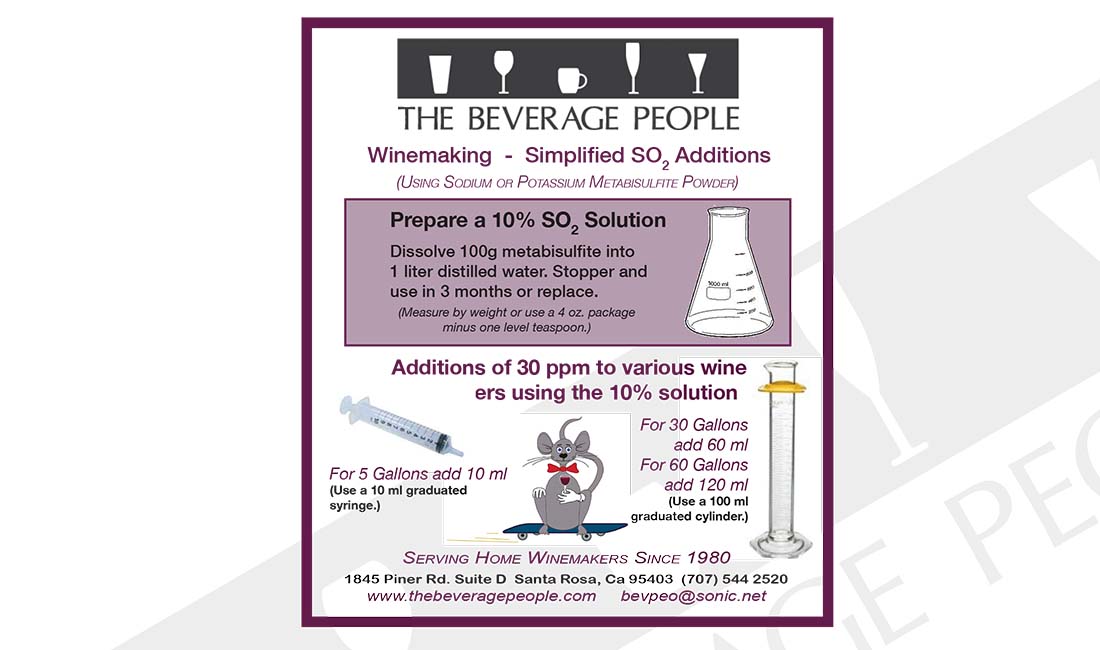
Simplified SO2 AdditionsThis chart shows the simple preparation and addition of SO2 solution to your wines.
Managing Oxygen in the Wine BottleLearn best-practices in limiting oxygen exposure in your wine bottles to extend the shelf life and improve wine quality.
Wine Transfer MethodsWe set out to perform an experiment to compare the most common methods of wine transfer and to determine the differences in their impact on oxygen uptake and SO2 loss.
Dissolved Oxygen in WineAn advanced discussion on measuring and mitigating oxygen pickup during the winemaking process.
Restart Your Stuck WineThe New Protocol - Simplified!
Previous versions of protocols for restarting stuck fermentations have been horribly difficult to comprehend and implement, but now a new simplified method is available that doesn’t require splitting the volume multiple times and can be done in four efficient steps.
Mysterious Malolactic in WineThis article discusses the why and how of performing MLF on your wine including MLF strain selection, best practices for success, encouraging or discouraging buttery diacetyl production, and the greatest mystery of them all---determining whether the MLF fermentation has completed.
Preventing Spontaneous MLFThe underlying issue is that the winemaker always needs to address the malic acid before bottling any wine, one way or the other.
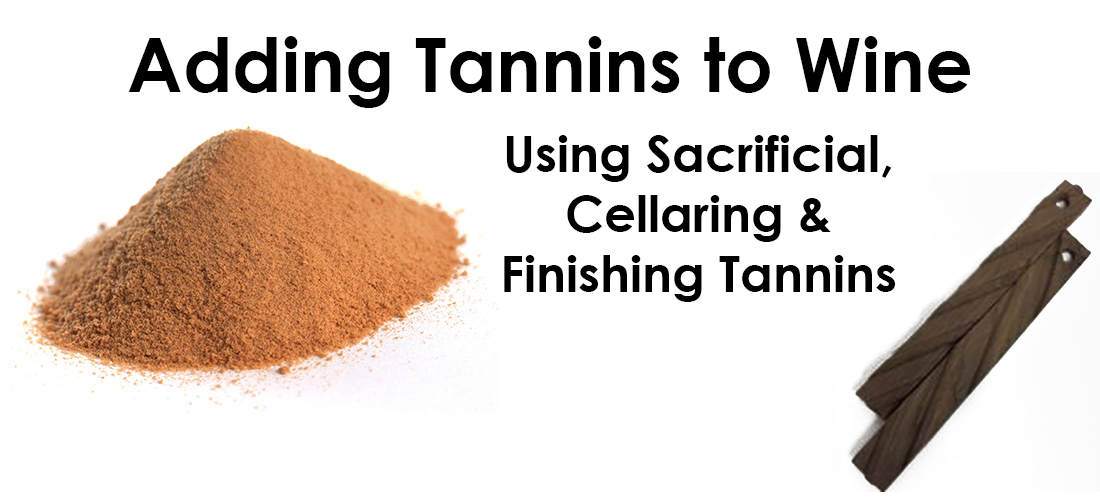
Adding Tannins to WineThere are several points in the winemaking process where you may want to supplement the tannins in your grapes with professional grade tannin products and oak for enhancement of your wine. This discussion explains those products and their usage in three functional groups: Sacrificial Fermentation Tannins, Cellaring Tannins, and Finishing Tannins.
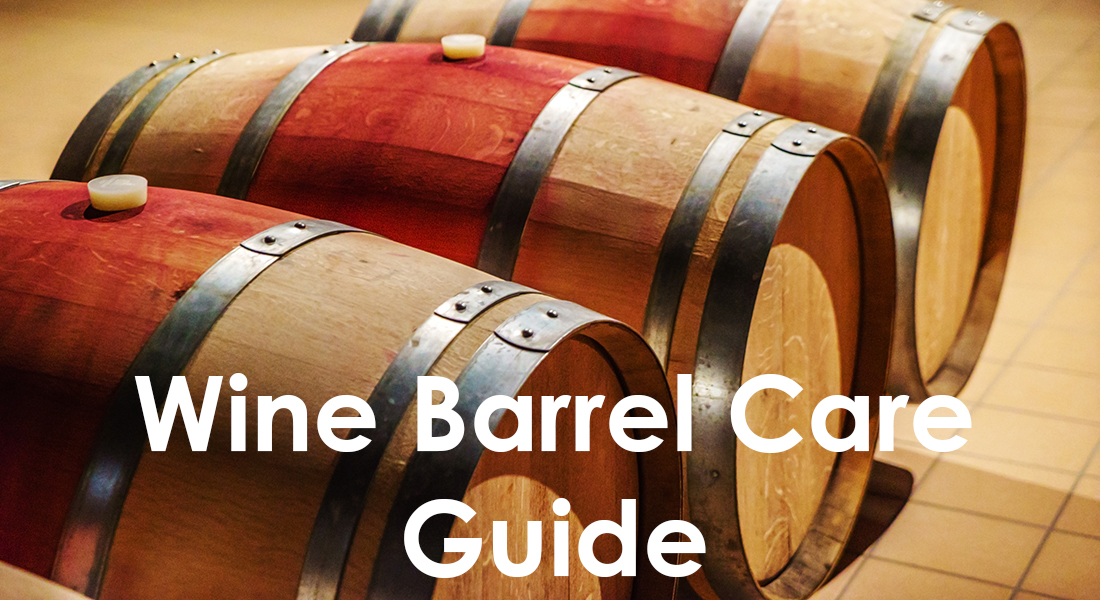
Barrel Care ProceduresA reference guide for general barrel care including swelling, acidifying, cleaning, as well as short and long term storage.
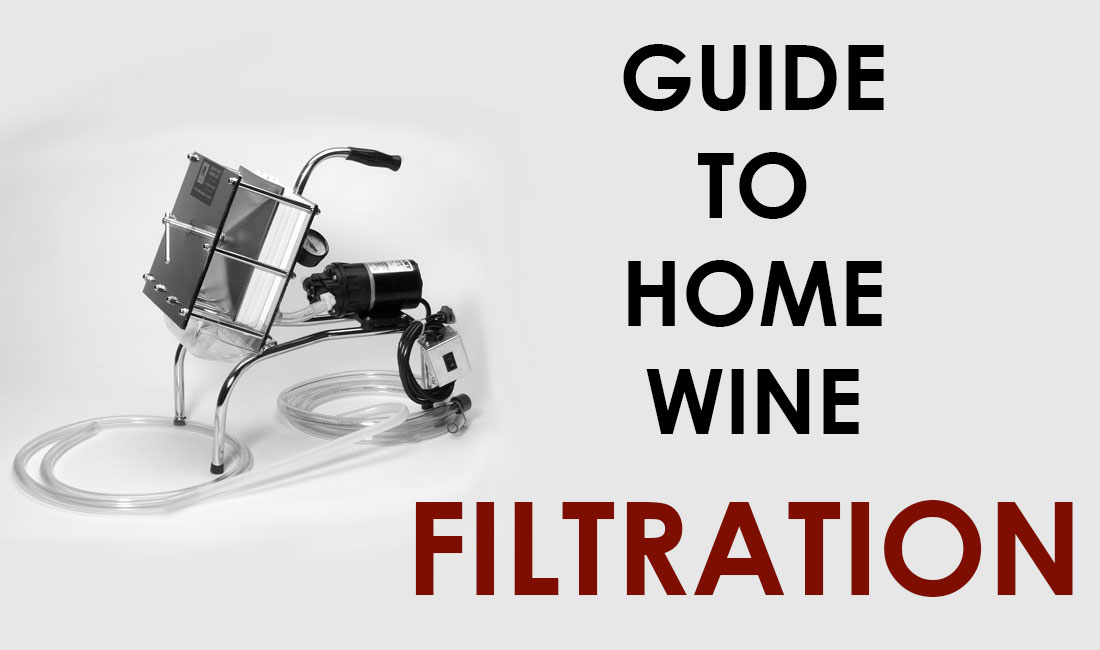
Two types of microfiltration systems are well supported for home winemakers: Cartridge systems and Plate & Frame systems. This article discusses them both and provides advice on best practices.
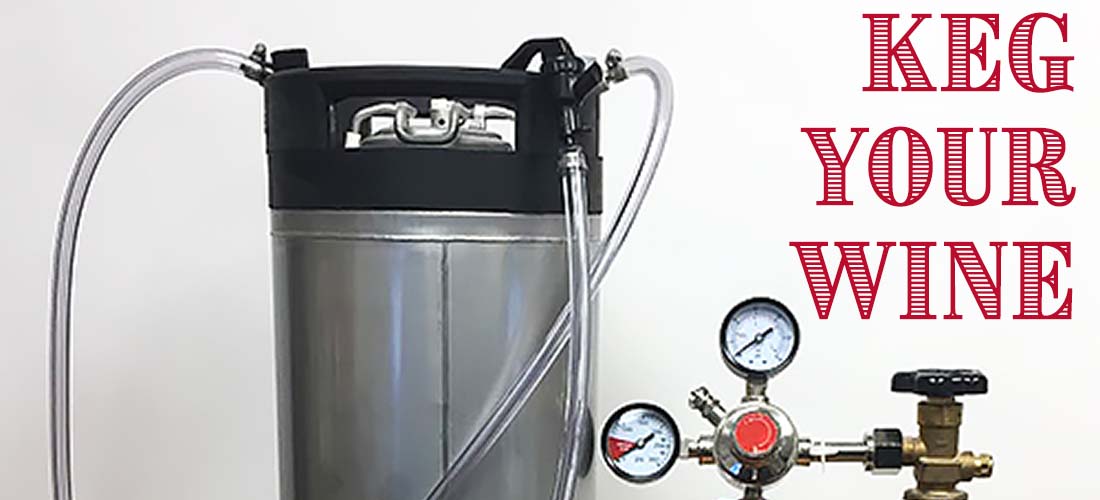
Wine Tap System For Home There are many benefits to choosing draft wine over bottling. This guide discusses the why and how of kegging wine.
Drag Strip Or Wine Cellar?“Burnt rubber” is one of many unpleasant descriptors applied to the volatile reduced sulfur (VRS) compounds than can occur during the fermentation and aging of wine. If you detect this kind of aroma, fix it quick!
Oxidation and Reduction in WineThe chemistry of these two types of flaws are related, as you will see. Understanding the chemistry will help you avoid, and treat these issues.
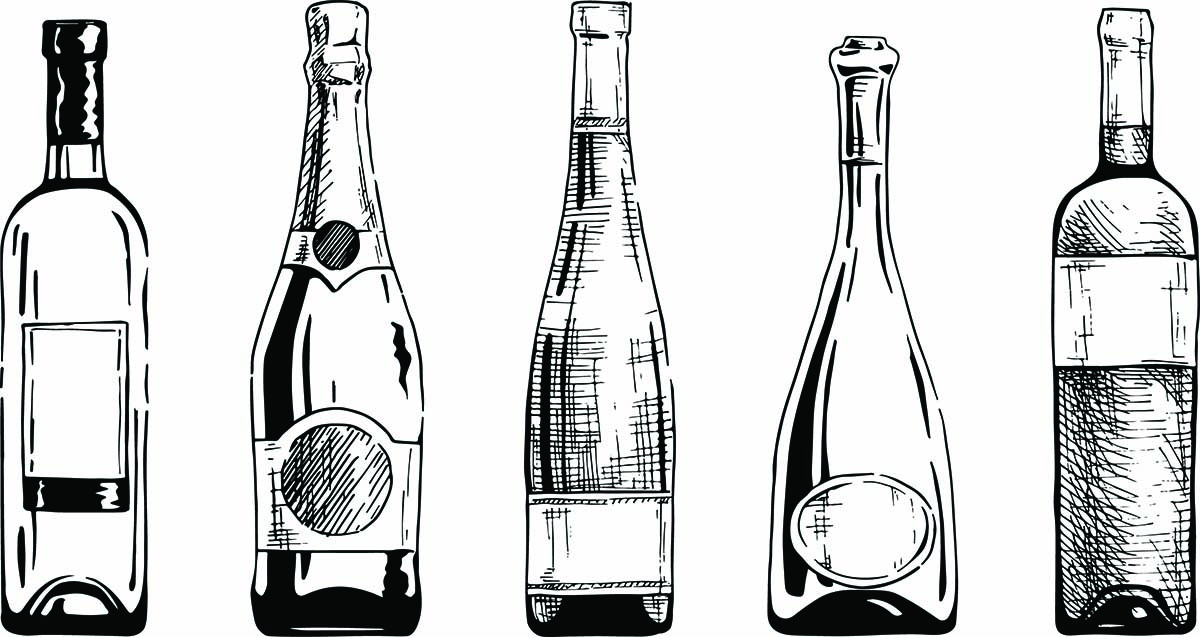
Wine Bottle Types - An InfographicEnjoy our infographic and quickly learn the popular type of bottles including options for bottle shapes, colors, sizes, and closure options.
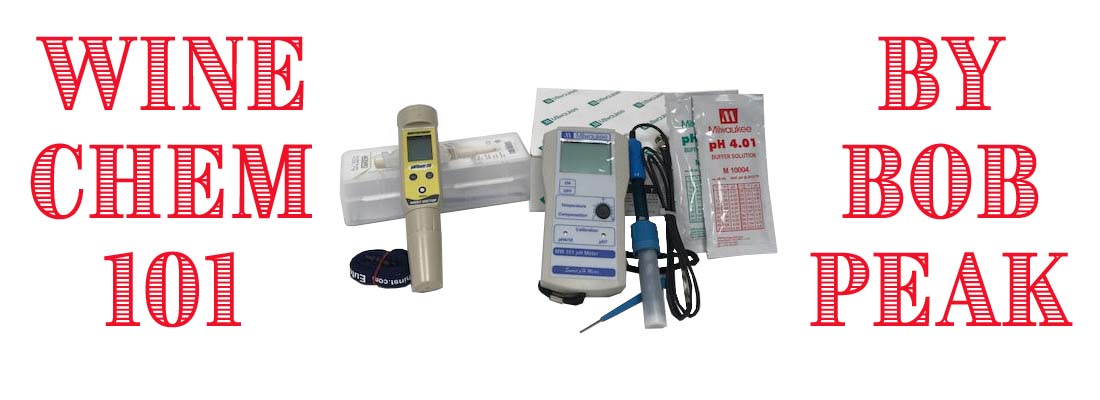
Wine Chem 101So why chemistry? Without knowing some of the chemistry of wine, a home winemaker may be flying blind—or at least wearing dark glasses with the lights off.
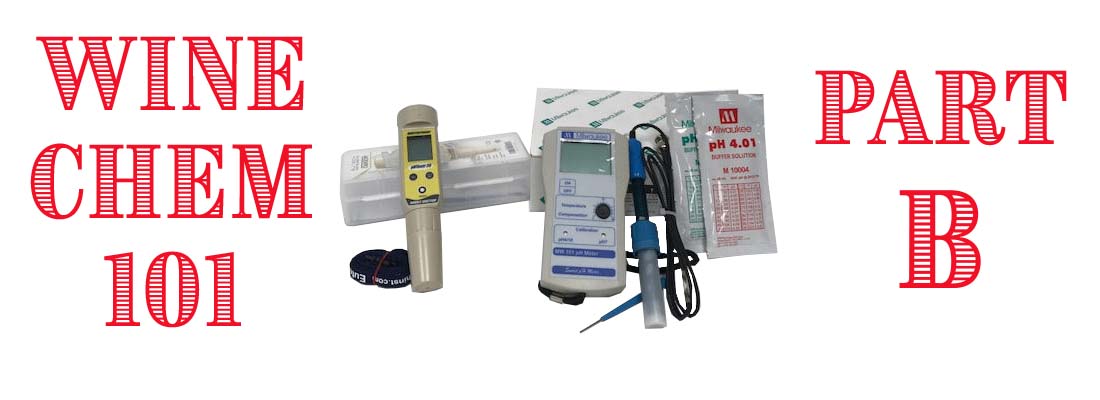
Wine Chem 101 Part BIn Part B of Wine Chem 101, Bob tackles the chemistry the wine component responsible for the "zing": Acid. The two major organic acid components of grapes and grape juice are tartaric and malic acids, usually starting at about a 50-50 ratio.
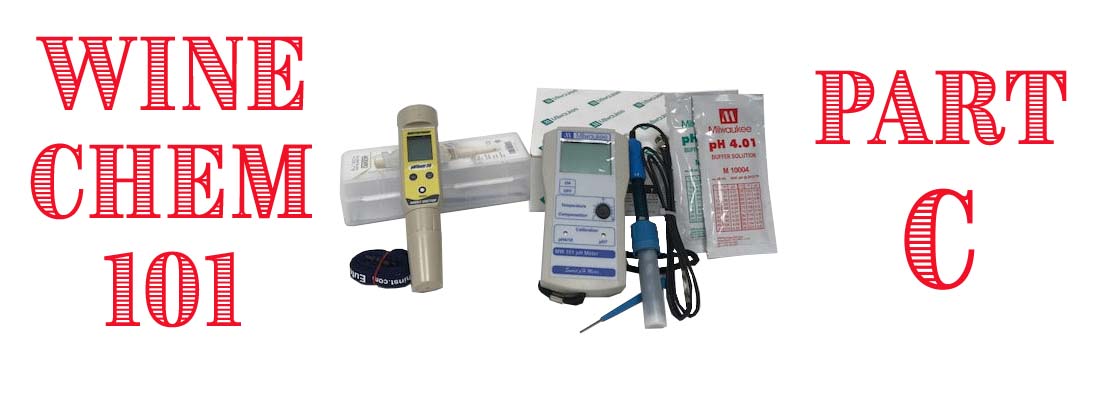
Wine Chem 101 Part CIn the final part of our Wine Chem series, Bob discusses the relationship between pH and sulfite. While the titratable acid number—TA—is all about taste, the pH number is all about stability. In particular, wine pH strongly influences the effectiveness of sulfite in preserving wine’s freshness and quality.
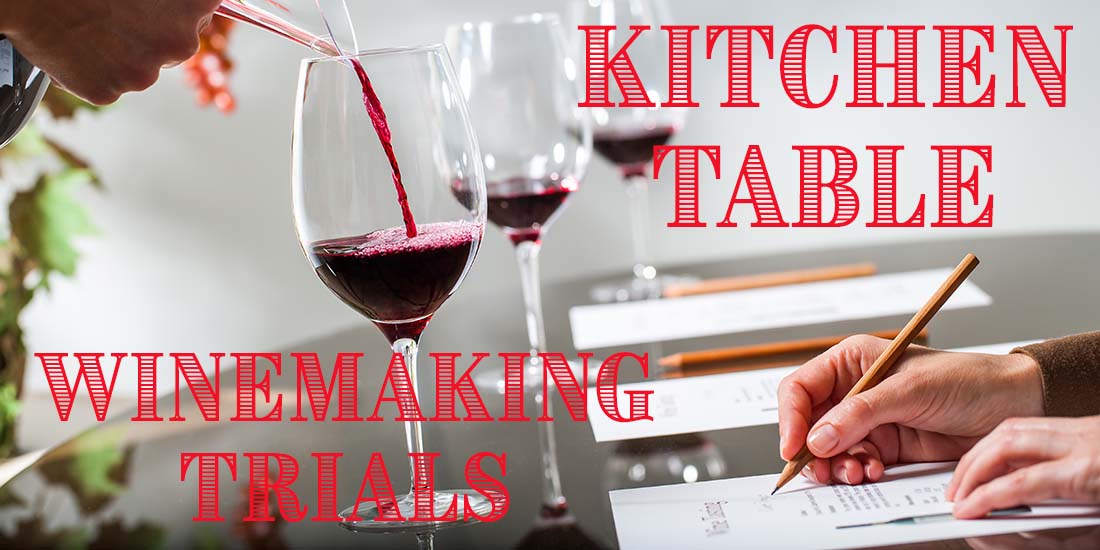
Kitchen-Table Winemaking TrialsWhile some rules of thumb and general guidelines can point the winemaker in the right direction, there’s nothing like a trial for really pinning down the best treatment. After you read this article and feel you are ready to perform your own table trials,
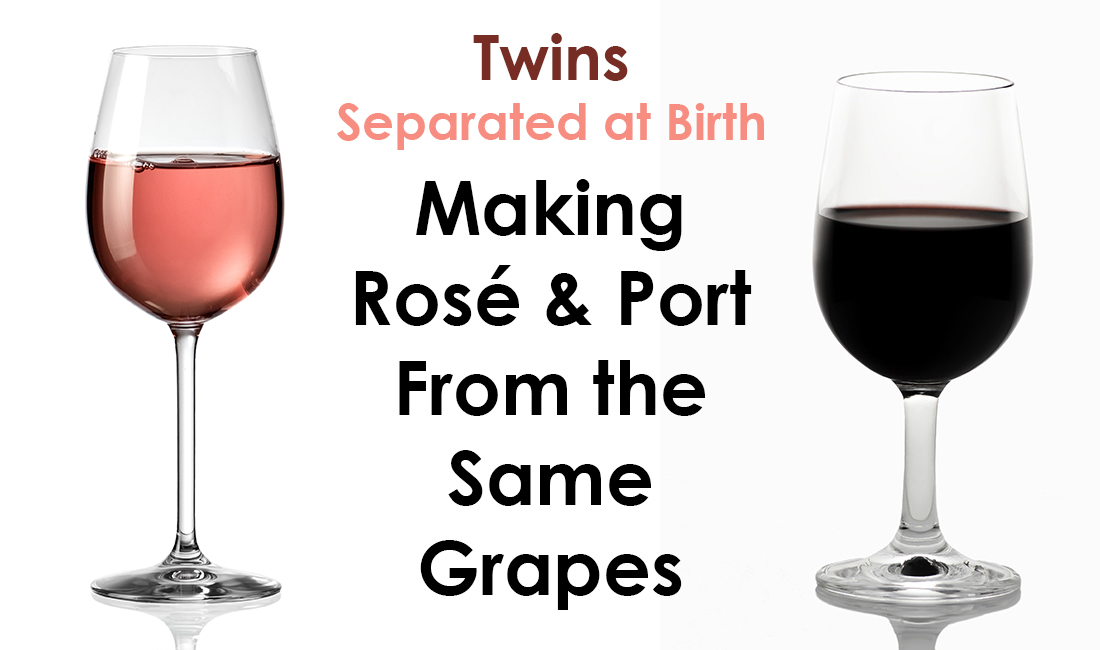
Twins Separated at BirthSince Syrah does well as both rosé and port, and one seeks to produce less and the other more from the grapes, maybe we could make both from the same lot of grapes. For the 2006 harvest, my wife Marty White and I set out to do just that.
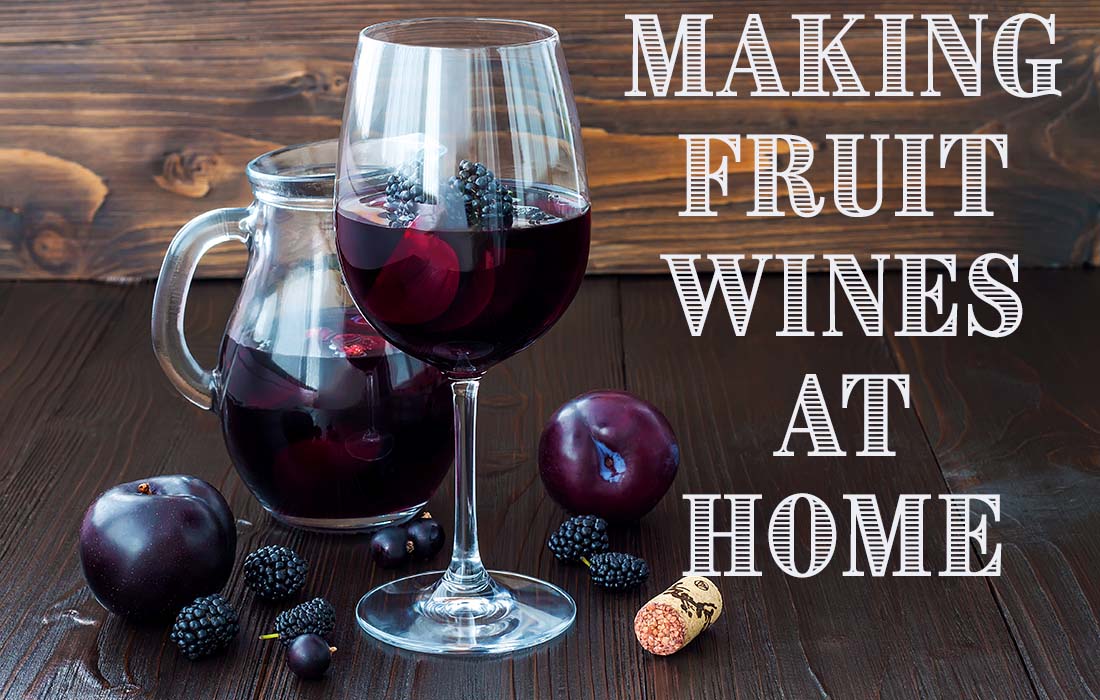
Blackberry Wine Recipe & MoreDetailed instructions for making fruit wines including blackberry wine recipe, cherry wine recipe, raspberry wine recipe, and plum wine recipe.
Making wine from grapes isn’t just for professionals. Thousands of amateurs succeed with home wine fermentation every year and so can you. Being rooted in the heart of wine country gives us unique access to knowledge and products for home winemaking. We have been at it for over 40 years and we are still in the forefront of the fermentation movement. Today, we are extremely well qualified and fully equipped to help you achieve success in your new hobby. We have designed this website to help you find all the products you need and the information that you want. Wine making is easy and fun. You’ll see!